
If a car hits you while riding your bike in Houston, you face a stressful situation. You need immediate action. The moments and hours after a bicycle accident are important for your health and your legal rights. Knowing what steps to take can make a difference. This guide outlines what to do if you’re hit by a car in Houston, from the scene of the accident to filing a claim.
Why Choose Gibson Hill Personal Injury for Your Bike Accident Case
When you’re injured in a bicycle accident, you need a legal team that understands the physical and financial impact. Gibson Hill Personal Injury has experience representing Houston cyclists injured in car collisions. Our attorneys are familiar with Texas bicycle laws and how insurance companies handle these claims. We know how to build strong cases on behalf of injured riders and work to protect your rights. We aim to help you pursue fair compensation for your injuries. Call 713-659-4000 today to discuss your case during a free consultation.
Immediate Actions at the Scene
Check Yourself for Injuries
Your first priority after being hit by a car is assessing your physical condition. Even if you feel okay, adrenaline can mask serious injuries. Check for visible wounds, pain, or difficulty moving. If you’re bleeding, have severe pain, or feel dizzy, stay still. Wait for emergency responders. Don’t move your bike or yourself unless you’re in immediate danger from traffic. Seeking medical attention promptly after a bicycle accident is critical for both your health and your legal claim.
Call 911 and Report the Accident
Call 911 immediately after a bicycle accident, especially if anyone is injured or if the vehicle caused significant damage. When you speak with the dispatcher, provide your location, describe your injuries, and explain that a car hit your bicycle. The police report created by responding officers may serve as evidence later. Tell the officer you want a written report and ask for a copy or report number before they leave the scene.
Key information to provide to the dispatcher: your exact location, description of injuries, vehicle description, and whether the driver remained at the scene. Why it’s important to always call the police after an accident cannot be overstated—the police report helps establish the facts of your case.
Document Everything at the Scene
Gather Driver Information
Before the driver leaves, get their name, phone number, address, driver’s license number, and license plate number. Also collect their insurance company name and policy number. If the driver refuses or leaves the scene, note the vehicle’s color, make, model, and any distinguishing features you remember. Write down the time of day and weather conditions. These details can be important later. How to read an accident report will help you understand what information matters most.
Take Photos and Videos
Use your phone to photograph the accident scene from multiple angles. Capture the vehicle involved, your damaged bicycle, your injuries, road conditions, traffic signals, and any visible skid marks. If it’s safe, take a video walking around the scene and describing what happened. These visuals provide objective evidence and support your version of events.
Essential details to photograph: the vehicle’s damage, your bicycle, your visible injuries, road surface and conditions, traffic signs and signals, and the overall accident scene. Gathering key evidence after a car accident strengthens your claim significantly.
Collect Witness Contact Information
Ask anyone who saw the accident for their name, phone number, and email address. Witnesses provide independent accounts of what happened, which can strengthen your claim. Even if someone seems unsure, explain that their information could help clarify the incident. Try to collect contact information from at least two witnesses if possible.
Seek Medical Attention Promptly
Don’t delay getting medical care after a bicycle accident. Some injuries—such as internal bleeding, concussions, or spinal trauma—don’t show immediate symptoms. Visit an emergency room or urgent care clinic as soon as possible, even if you think your injuries are minor. Tell the provider how the accident occurred and describe all your symptoms.
Medical records document a link between the accident and your injuries. Insurers and courts rely on this evidence to determine damages. The sooner you seek treatment, the stronger your case documentation will be. Keep all receipts, test results, and doctor’s notes in a safe place. Top tips for organizing medical bills from your accident will help you maintain proper documentation.
Report to Insurance and Preserve Evidence
File a Police Report
Contact the Houston Police Department if officers didn’t respond to the scene. You can visit a precinct or request that a report be filed. Once completed, you can usually access the report online through TxDOT’s Crash Report Online Purchase System (CRIS) within 5–8 days for a nominal fee. Provide all details you remember about the accident, vehicle, and driver. A police report provides an official record used by insurers and attorneys. Request a copy when it’s available. How to request an accident report explains the process in detail.
Notify Insurance Companies
Report the accident to your own insurance company and the driver’s insurer (if applicable). Provide factual details only and avoid admitting fault or speculating about causes. Insurance adjusters may contact you for more information. Consider consulting with an attorney before giving a recorded statement to the other driver’s insurer. How to report a car accident to insurance requires careful attention to detail.
Keep All Documentation Safe
Organize all accident-related materials in one place—police report, medical records, photos, witness statements, insurance correspondence, and receipts. Create digital copies and store them securely. These records are useful if your claim is disputed or goes to court.
Documents to keep: police reports, medical records and bills, photos and videos, witness contact information, insurance correspondence, repair estimates, and receipts for related costs.
Understand Your Legal Rights in Texas
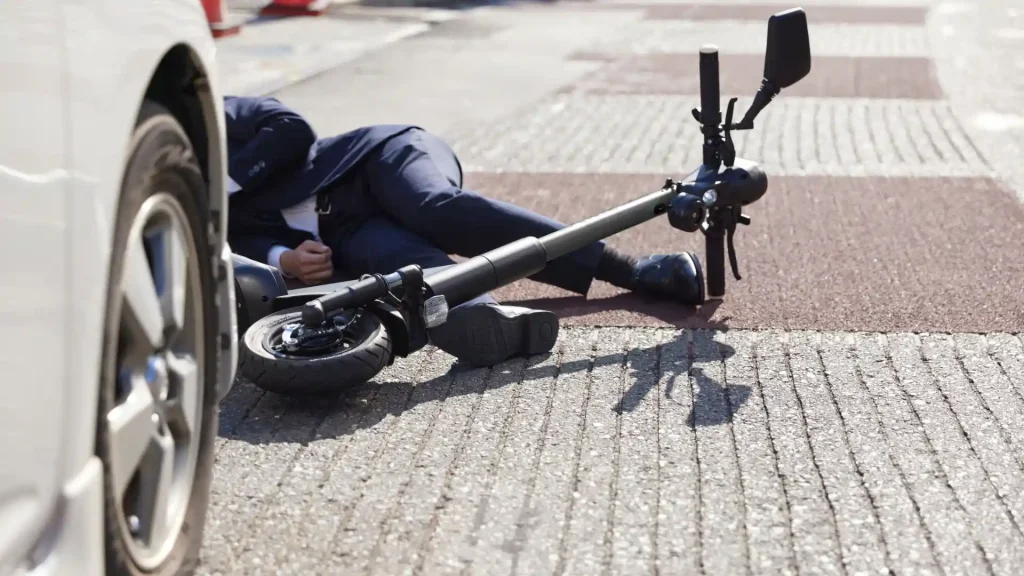
Texas Transportation Code Chapter 551 outlines rules for bicycle operation on public roads. Cyclists must follow traffic laws, ride in bike lanes where available, and use lights and reflectors when visibility is poor. However, drivers are still obligated to exercise reasonable care and watch for cyclists. For detailed information on Texas bicycle laws, consult the official Texas Transportation Code.
Texas follows a comparative negligence system. This means you may still recover damages even if you were partly responsible for the accident, but your recovery is reduced by your percentage of fault. For example, if you were 20% at fault for $10,000 in damages, you could recover $8,000. If you’re found more than 50% at fault, you generally cannot recover under Texas law. Learn more about Texas comparative negligence and the 51 percent bar rule.
You typically have two years from the accident date to file a personal injury lawsuit in Texas. Missing this statute of limitations may prevent recovery. Contact an attorney promptly to protect your rights and meet all filing deadlines. Understanding the Texas statute of limitations for injury claims is essential for your case.
Key rights: the right to use public roads safely, seek damages from negligent drivers, and obtain legal assistance when pursuing a claim.
Frequently Asked Questions
What should I do if the driver left the scene?
If the driver fled, contact 911 immediately. Provide as much information as possible about the vehicle. File a police report and notify your insurance company. If you carry uninsured motorist coverage, you may file a claim under that portion of your policy. An attorney can help review available options for recovering compensation even when the responsible driver isn’t identified. How to recover damages after a hit-and-run accident in Texas provides detailed guidance.
How long do I have to file a claim in Texas?
You generally have two years from the date of the accident to file a personal injury lawsuit in Texas. Filing early preserves evidence and helps ensure all legal deadlines are met. Many cases begin as insurance claims, which often move faster than lawsuits. Contact an attorney as soon as possible to help protect your rights. When should I call a lawyer after an accident is a question many injured people ask.
Can I recover damages if I was partially at fault?
Yes. Texas’s comparative negligence rules allow you to recover a portion of your damages based on your percentage of fault. For example, if you were found 30% responsible for an accident and suffered $15,000 in losses, you could receive up to $10,500. An attorney can help assess and present evidence supporting your claim. How to measure shared fault in a car accident explains this process.
What types of damages may be available?
Common recoverable damages include medical expenses (emergency care, hospitalization, follow‑up treatment, rehabilitation), lost income, pain and suffering, and property damage such as bicycle repairs or replacement. In more serious cases, compensation may include long‑term impairment or disfigurement. Types of damages available in personal injury cases are explained in detail.
Do I need a lawyer for a bicycle accident claim?
You can file an insurance claim without a lawyer, but legal representation often improves claim preparation and negotiation. Insurance adjusters may try to settle quickly for less than what’s fair. An attorney can evaluate your damages, negotiate on your behalf, and help protect your rights. Many personal injury attorneys work on contingency, meaning you don’t pay unless compensation is recovered. How to find a personal injury lawyer provides guidance on selecting representation.
How much does it cost to hire Gibson Hill Personal Injury?
Gibson Hill Personal Injury handles personal injury matters on a contingency fee basis. This means no upfront fees are required, and the firm receives payment only if it recovers compensation for you. Fees are taken from the final settlement or award. Contact Gibson Hill Personal Injury for a free consultation to discuss your potential case.
Contact Gibson Hill Personal Injury for Your Free Consultation
Being hit by a car while riding your bike in Houston is a serious and stressful experience that calls for timely action. The steps you take after the crash can affect both your recovery and your financial claim. Gibson Hill Personal Injury understands the challenges injured cyclists face and can guide you through each stage of the process.
Call 713-659-4000 or contact us online today to schedule your free consultation with a Houston bicycle accident attorney. We’ll review what happened, explain your legal options, and help you understand what compensation you may be able to seek. Contact us soon to protect your rights and preserve your claim.