Dog bites can happen quickly and cause lasting physical and emotional harm. If you’ve been bitten by a dog in Houston, you may have questions about your rights and what to do next. This guide explains key steps after a dog bite and how Gibson Hill Personal Injury can help.
Immediate Steps After a Dog Bite
Seek Medical Attention First
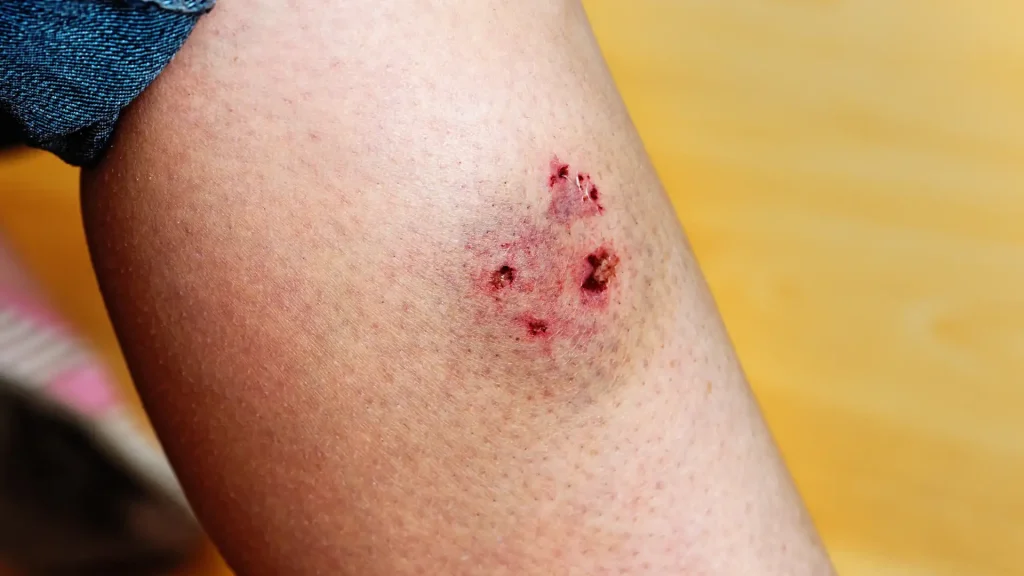
Your health is the priority. Even seemingly minor bites can become infected or cause serious complications, so it is important to be evaluated as soon as possible. Medical professionals can clean the wound, assess the risk of infection, and determine whether you may need treatment such as a tetanus shot or rabies-related care.
They will also document your injuries in medical records, which can be important if you later pursue a claim. Photographs of the wound and notes about your symptoms can help show how the injury affected you.
Report the Bite to Local Authorities
In Houston, dog bite incidents are often reported to local animal control authorities, such as BARC (Bureau of Animal Regulation and Care). Making a report helps create an official record of what happened, which may be useful if questions arise later about the dog’s history or the circumstances of the incident.
When reporting, it is helpful to provide:
- The dog owner’s name and contact information, if known
- A description of the dog and where it is kept
- Details about how the bite occurred
- Names and contact information for any witnesses
Gather Evidence at the Scene
If it is safe and you are able to do so, try to collect basic information while the details are still fresh. This can include photographs of your injuries, the location where the bite happened, and anything about the setting that might be relevant (such as an open gate or lack of a leash). Obtaining witness contact information and noting the date, time, and exact location can also be helpful.
What Happens to the Dog
The 10-Day Quarantine
In many Texas dog bite situations, local authorities will require the dog to undergo a quarantine period—often 10 days—to monitor for signs of rabies. This is typically done whether or not the owner states that the dog is vaccinated.
During quarantine, the dog may be observed by a veterinarian or local rabies control authority at the beginning and end of the period. The owner is often responsible for the costs associated with this confinement.
If the Dog Shows Concerning Symptoms
If the dog shows signs that may be consistent with rabies during or shortly after quarantine, animal control or a veterinarian may recommend euthanasia and testing to protect public health. However, if the dog remains healthy throughout the observation period, it may be released back to the owner, although separate “dangerous dog” or local regulatory issues can sometimes arise depending on the facts.
Your Legal Rights After a Dog Bite
Texas dog bite law generally focuses on whether the owner knew or should have known that the dog posed a risk, and whether the owner failed to use reasonable care in controlling the animal.
One approach looks at whether the dog had dangerous tendencies the owner knew or should have known about, such as prior bites, attacks, or aggressive behavior. Another approach focuses on negligence—for example, whether the owner violated local leash requirements, left a dog unsecured, or failed to warn visitors about known risks. Which theory fits your situation depends on the specific facts.
Damages You May Be Able to Recover
If a claim is successful, recoverable damages may include:
- Medical expenses (past and reasonably anticipated future costs).
- Lost wages or income if you missed work.
- Pain and suffering related to the injury.
- Scarring and disfigurement.
- Emotional distress or anxiety related to the incident.
- Impact on your ability to perform daily activities.
An attorney can review your medical records and other documentation to help estimate the value of these losses.
Defenses the Dog Owner Might Raise
Provocation
Dog owners may argue that the person who was bitten provoked the dog. If a court finds that the injured person’s conduct significantly contributed to the incident, it may reduce or bar recovery under Texas’s comparative fault rules. The impact of such a defense depends on the evidence and how responsibility is allocated between the parties.
Trespassing
An owner might claim that the injured person was trespassing at the time of the bite, which can affect what duty of care is owed. However, this defense has limits, and an attorney can help evaluate how it might apply to your specific circumstances.
Assumption of Risk
The owner may argue that you voluntarily chose to interact with the dog despite warnings about its behavior. The strength of this defense depends on what was communicated and what you understood about the risk before the incident.
Why You May Want an Attorney
Dog bite matters often involve medical issues, local animal control rules, and liability questions that can be complex. An attorney can:
- Investigate the incident and gather evidence
- Obtain and review medical and incident records
- Evaluate potential fault and available insurance coverage
- Communicate with insurance companies and opposing parties
- Advise you on settlement offers and litigation options
- Represent you in negotiations or court if needed
Insurance carriers may try to minimize payouts, and legal guidance can help ensure your rights and interests are protected. Gibson Hill Personal Injury works on a contingency fee basis, meaning you pay nothing up front.
Frequently Asked Questions
How long do I have to file a dog bite lawsuit in Houston?
In many Texas personal injury cases, including dog bites, the general statute of limitations is two years from the date of the incident. Because deadlines can be critical and some exceptions may apply, it is important to speak with an attorney as soon as you can.
What happens to the dog after it bites someone?
Typically, the dog will be placed under observation for a set period, often 10 days, to monitor for signs of rabies. Local animal control or a veterinarian usually performs these checks. If the dog shows concerning symptoms, additional steps such as testing or euthanasia may be recommended.
Can I recover compensation if the dog owner says the dog was provoked?
Even when provocation is alleged, you may still have a claim depending on how responsibility is allocated under Texas comparative fault rules. If an owner can show significant provocation, it may reduce or bar recovery; an attorney can review the facts to assess how this might affect your case.
Contact Gibson Hill Personal Injury Today
If you’ve been bitten by a dog in Houston, it is important to understand your options before the time limits expire. Evidence is often easier to gather soon after the incident, and early legal guidance can help protect your rights.
Gibson Hill Personal Injury offers free consultations to discuss dog bite cases. The firm understands Houston dog bite claims and works to pursue compensation for clients’ injuries. Call 713-659-4000 today to schedule your free consultation and learn more about your legal options.
Related Posts