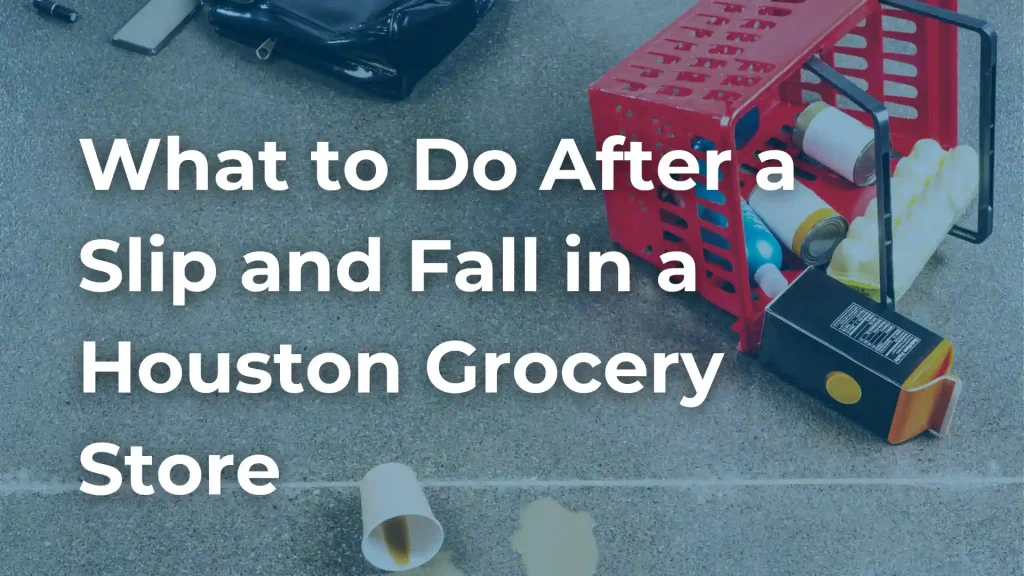
Slip and fall incidents in grocery stores can happen in seconds and lead to injuries ranging from bruises to fractures or head trauma. Taking clear, deliberate steps after a fall can help protect your health and put you in a better position if you later decide to pursue a claim. Don’t know what to do after a slip and fall in a Houston grocery store? Gibson Hill Personal Injury helps injured shoppers understand their rights and pursue compensation under Texas premises liability law.
Why Choose Gibson Hill Personal Injury for Your Slip and Fall Case
When you’re injured in a grocery store fall, it can be helpful to work with an attorney familiar with Texas premises liability law and local practice in the Houston area. Gibson Hill Personal Injury handles slip and fall matters and understands how stores are expected to maintain their premises and address hazards. The firm works on a contingency fee basis, so you do not pay attorney fees upfront and only owe a fee if compensation is recovered on your behalf. Representation focuses on pursuing recovery for losses such as medical bills, lost income, and the impact of your injuries on daily life. The personal injury attorneys at Gibson Hill Personal Injury have experience handling slip and fall cases throughout Houston. Call 713-659-4000 to request a free consultation.
Immediate Actions to Take at the Scene
Check Yourself for Injuries
Your first priority is your health. Take a moment to see how you feel before moving. If you notice pain, dizziness, or difficulty moving, tell store staff and consider asking for medical assistance. Some injuries, including head or internal injuries, may not be obvious right away, so erring on the side of caution is wise. Prompt medical evaluation creates documentation that can be important if you later pursue a claim.
Report the Incident to Store Management
Ask to speak with a manager as soon as you are able. Calmly explain what happened and where it occurred. Request that an incident report be completed and ask for a copy for your records. Note the manager’s name, title, and contact information, and try to identify any employees who saw your fall or the condition that caused it. This information becomes critical evidence in establishing what the store knew about the hazard.
Document Conditions at the Scene
If you can safely do so, take photographs or video of the area before anything is cleaned or moved. It may be useful to capture:
- The substance or condition that contributed to your fall
- The appearance of the floor (wet, uneven, broken, or cluttered)
- Any warning cones or signs—or the absence of them
- Lighting conditions and surrounding aisles or displays
Make a note of the date, time, and store location. This documentation is similar to what’s done in car accident cases to preserve evidence of the incident scene.
Seek Medical Attention Promptly
Even if you feel you can walk away, consider seeing a medical professional soon after the incident. Some problems become more apparent hours or days later. An examination helps identify injuries and creates medical records connecting your symptoms to the fall. Keep copies of visit summaries, test results, receipts, and recommended treatment plans in one place. These records form the foundation of your damages claim.
Gather Witness Information and Preserve Evidence
If other shoppers or employees witnessed the fall or saw the hazard beforehand, ask for their names and contact information. Witness statements can help support your description of what happened. Also:
- Retain the clothing and shoes you were wearing, if they could be relevant.
- Keep the incident report and any written communication from the store or its insurer.
- Track missed work days and wage loss, if applicable.
- Consider keeping a journal describing pain levels, mobility limitations, and how the injury affects your daily activities.
Early evidence preservation is essential because stores may clean areas, replace equipment, or alter records over time.
Understanding Texas Premises Liability Law
Under Texas premises liability principles, grocery stores generally owe customers (invitees) a duty to use reasonable care to keep the premises reasonably safe. This includes taking reasonable steps to:
- Inspect for hazardous conditions
- Address or correct those conditions within a reasonable time
- Warn customers of dangers that are not open and obvious
To pursue a claim, an injured person typically needs to show that:
- A hazardous condition existed on the premises.
- The store knew, or in the exercise of reasonable care should have known, about the condition.
- The store did not take reasonable steps to correct it or warn about it.
- The condition contributed to the injuries suffered.
Texas also uses a comparative fault system. If you are found partially responsible—for example, if you were distracted—you may still recover compensation as long as you are not more than 50% at fault, but your recovery can be reduced by your percentage of responsibility. This principle applies across all personal injury matters in Texas, from slip and falls to workplace injuries.
Common Hazards in Grocery Stores
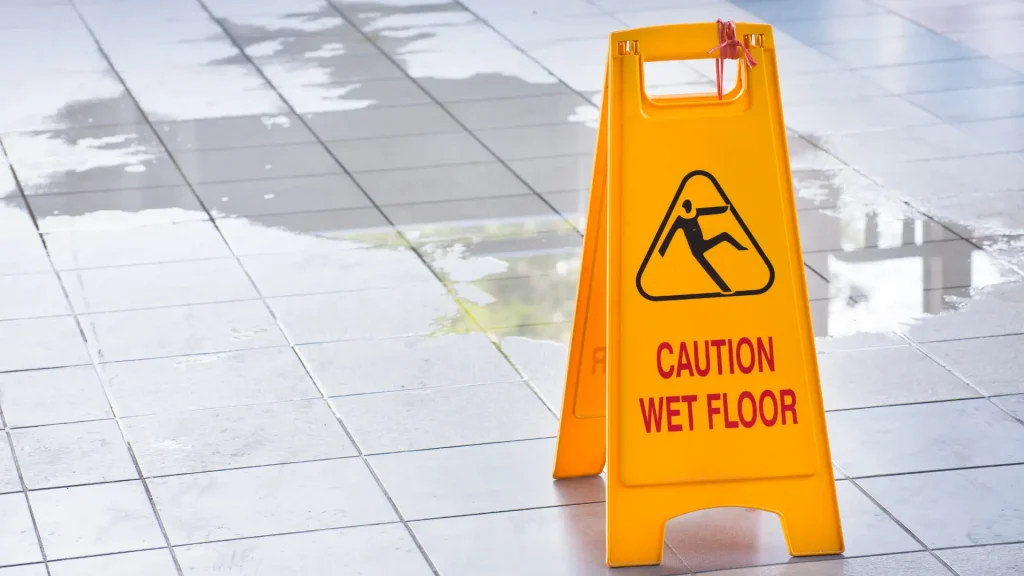
Slip and fall incidents in grocery stores often involve specific types of hazards that stores should anticipate and address:
- Wet or slippery floors from spills, cleaning, or condensation from refrigerated sections are among the most common causes. Stores have a duty to clean spills promptly and place warning signs.
- Uneven flooring or broken tiles create trip hazards that stores should repair or warn about. Customers cannot be expected to watch constantly for structural defects.
- Cluttered aisles or displays that obstruct walkways or create obstacles can lead to falls, particularly if items are left in high-traffic areas.
- Poor lighting in certain sections makes it harder for customers to see hazards. Stores should maintain adequate illumination throughout the facility.
- Debris or foreign objects left on floors—such as packaging, produce, or other items—can cause customers to slip or trip.
When a store fails to address these known or foreseeable hazards, it may be liable for resulting injuries.
When to Contact a Slip and Fall Attorney
It is often wise to speak with an attorney if:
- Your injuries are more than minor or require ongoing treatment.
- The store disputes what happened or denies responsibility.
- You receive a quick settlement offer that seems low or comes before the full extent of your injuries is clear.
- You have questions about how personal injury settlements work.
An attorney can evaluate the strength of your potential claim, communicate with the store’s insurer, and help you avoid common pitfalls in the claims process. Gibson Hill Personal Injury offers free initial consultations; you can call 713-659-4000 to discuss your situation.
Frequently Asked Questions
How long do I have to file a slip and fall claim in Texas?
In many Texas personal injury cases, including slip and falls, the general statute of limitations is two years from the date of the incident. Because deadlines can be affected by specific circumstances, it is important to consult an attorney as soon as possible rather than waiting until the deadline approaches.
Can I still recover if I was partially at fault for the fall?
Under Texas’s comparative fault rules, you may still recover compensation if you are found 50% or less at fault. Any award can be reduced by your percentage of responsibility. For example, if you are found 20% at fault and your damages are 10,000, your recovery could be reduced to 8,000. An attorney can help evaluate how comparative fault might apply to your specific situation.
What types of damages may be available in a grocery store slip and fall case?
Potential damages can include medical expenses (past and future), lost wages, reduced earning capacity in some cases, and non-economic damages such as pain and suffering or reduced quality of life. In limited situations involving particularly serious conduct, additional categories of damages may be considered. An attorney can help assess what may apply in your specific case.
What if the store claims I was not paying attention?
Stores sometimes argue that customers should have noticed hazards or been more careful. However, customers are not required to constantly scan the floor for dangers. Stores have a duty to maintain safe conditions and warn of hazards that are not obvious. Even if you were somewhat inattentive, the store’s failure to address a known or foreseeable hazard may still make them liable.
Call Gibson Hill Personal Injury for a Free Consultation
If you have been injured in a slip and fall at a Houston grocery store, you do not have to handle the situation on your own. Gibson Hill Personal Injury is available to review your circumstances and explain potential options.
Call 713-659-4000 today to schedule a free consultation. The firm works on a contingency fee basis, so you do not owe attorney fees unless compensation is recovered on your behalf.
Related Posts